We are facing the sixth mass extinction. Biologist E. Wilson estimates that 30,000 species a year are driven to extinction.
What if our very own extinction is close at hand?
With the rate of human destruction, the future looks bleak. However, our ruins could offer new opportunities for life in a new age.
What narratives could be derived from our traces?
To formulate what to derive from our traces left on a landscape, one would need to explore past and present narratives triggered by a space. An odyssey can be built around the interpretation of these spaces.

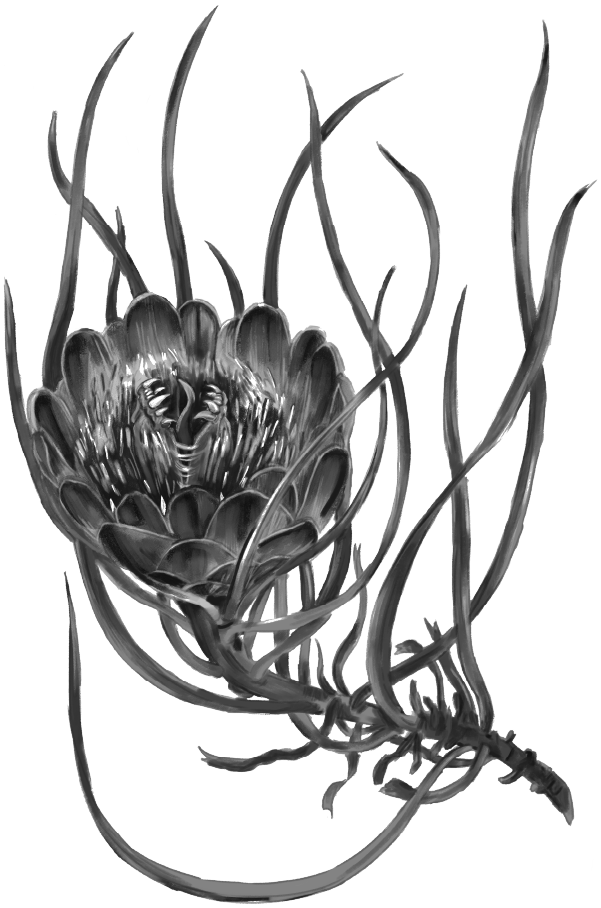



How we interpret and understand the past effects how we understand the present and develop the future.
The goal is to create a space in which we can reflect on people and their narratives from a distance. It is not to take a negative stance pointing out human impacts on our surroundings, but to leave open-ended interpretations of ruins.
How ruins are interpreted reflects how we interpret ourselves - whether it be a horrific display of human impact on the environment, calling to change our ways, or a call to embrace the natural world's effects on humans. In this way, the display of ruins can be used as a tool that can influence how we view the past and, ultimately, ourselves.

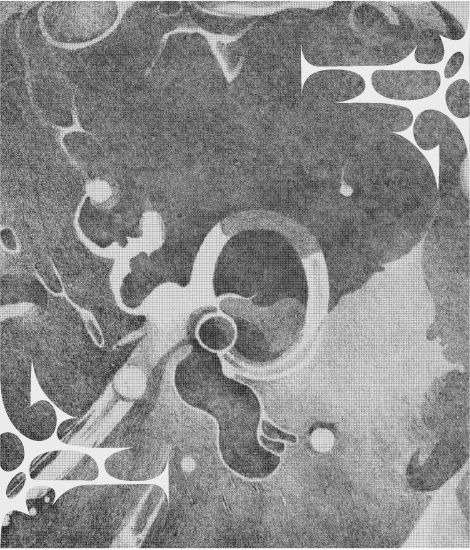

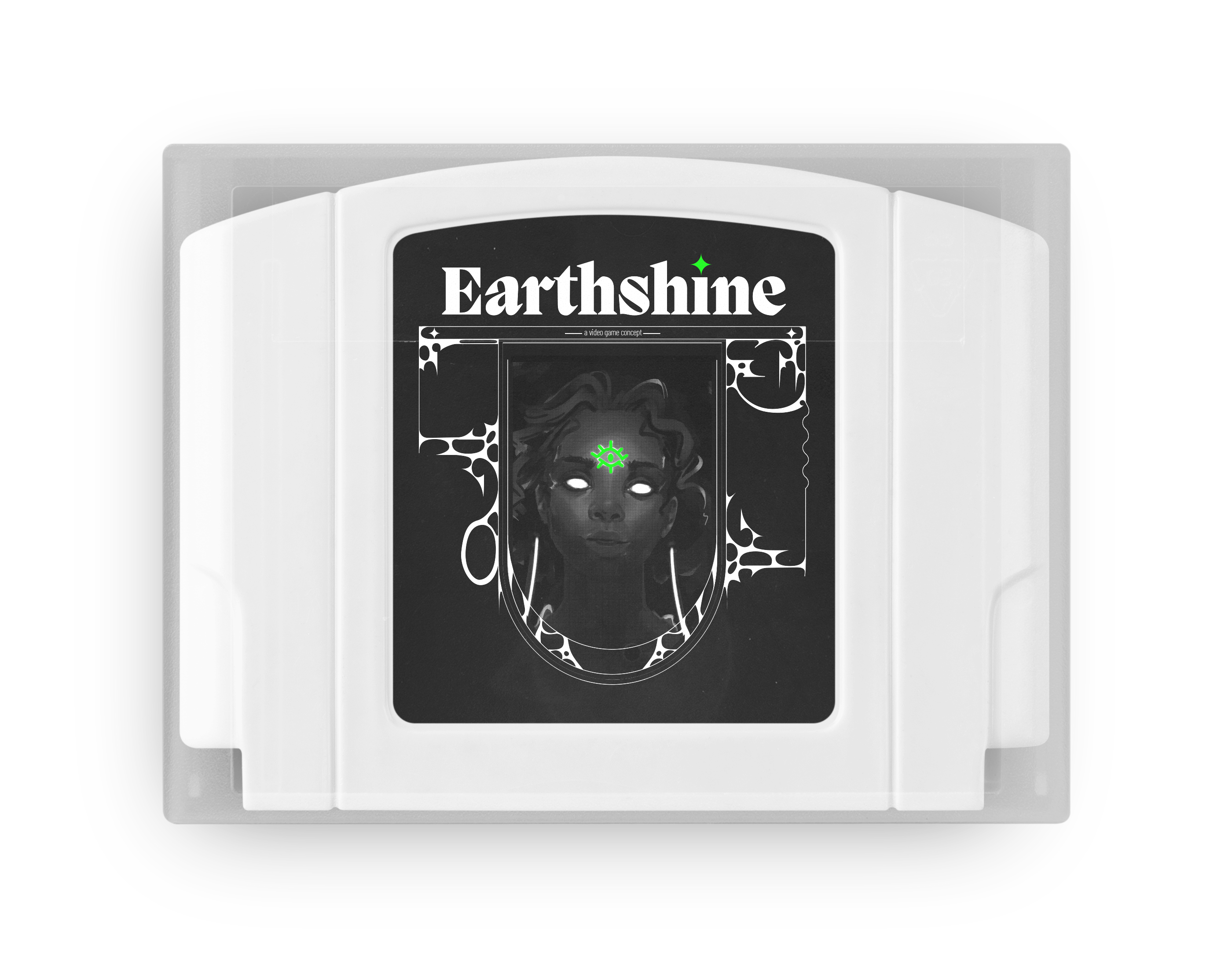
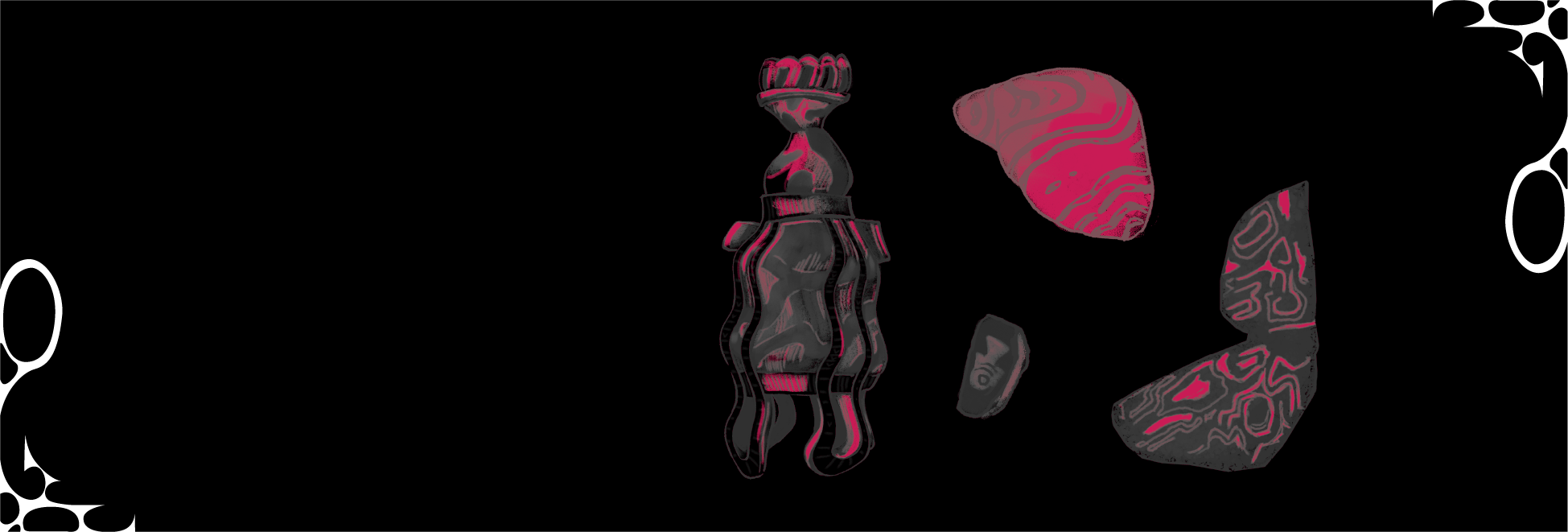
Exploring Cape town’s possible future landscapes after catastophic events through video game concept art.
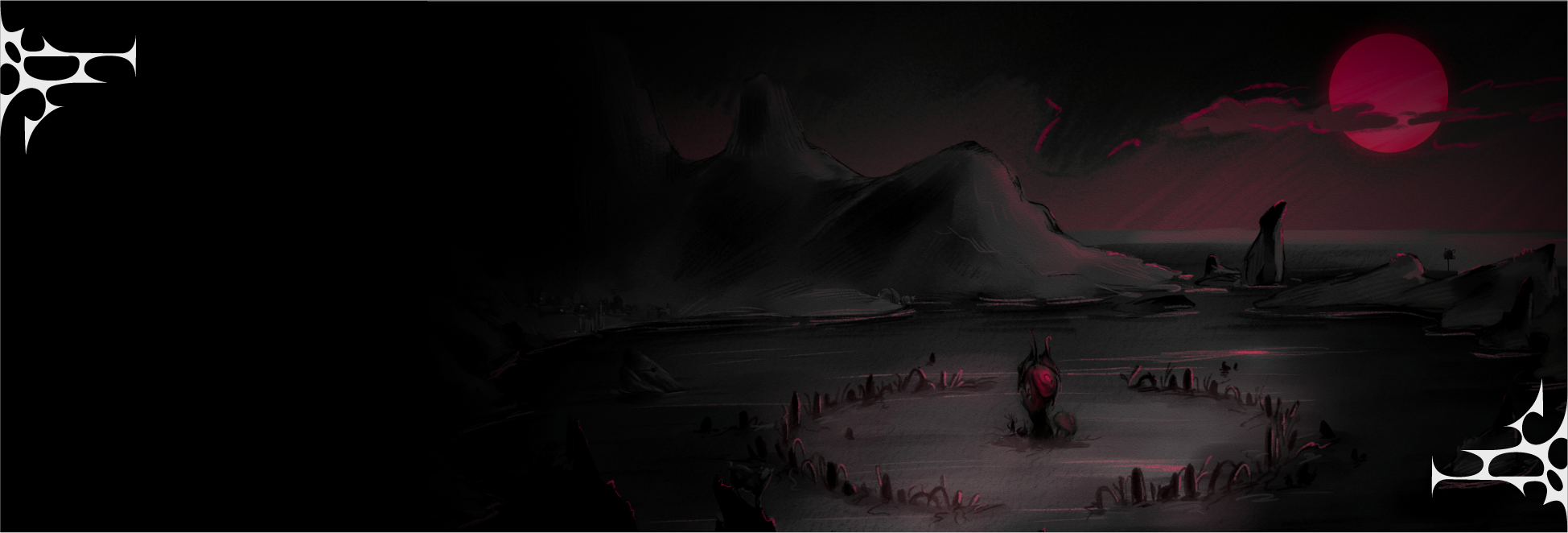
The destruction and desolation of earth, brought on by human development has left its mark upon the land. Set 1000 years into the South African landscape's future, these developments and earthly decay lies buried under failed baron developments that conceals the fissure of the land.
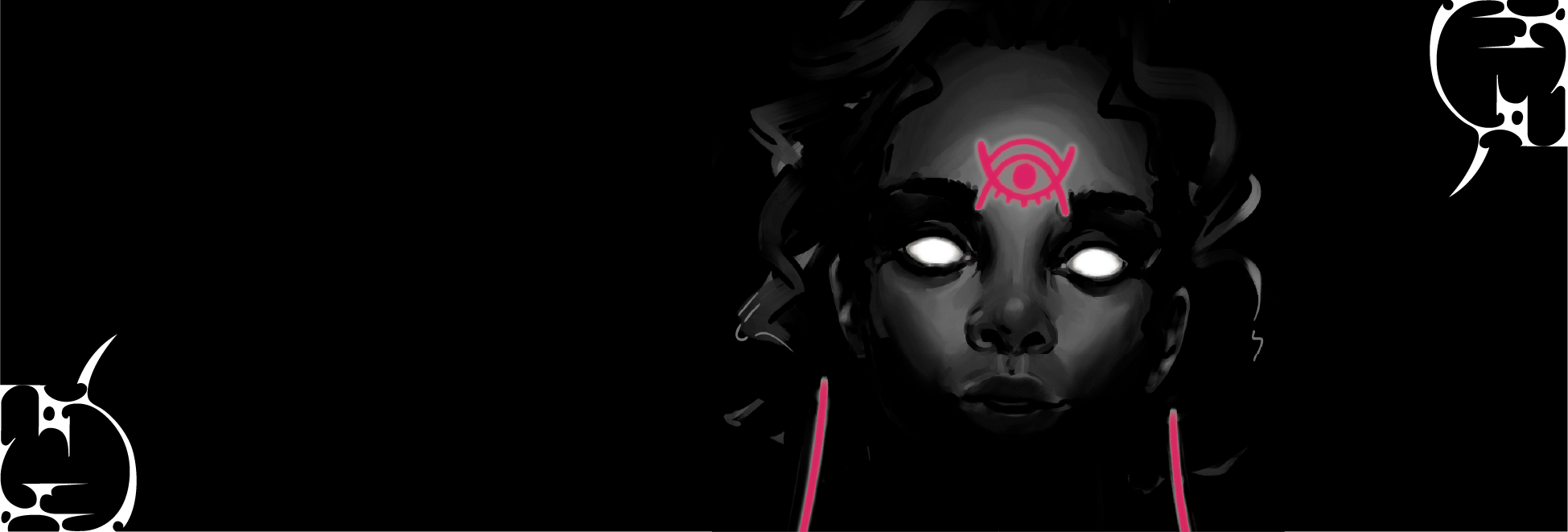
This concealment muddies past narratives of people, place and space. The concealment only grows as time continues. The collapse of societies and the survival of the last living and now evolved sapiens, mammals, fauna and flora is depicted through post apocalyptic artistic impressions as a memento of human history.
Focussing on human traces of architecture and technology now decayed. Decay and it's display changes the interpretation of culture, identity and narratives of the people and the landscape. This effects how the past is viewed, in turn, how we view our present and, ultimately, how we develop the future.